
Pittsburgh, PA · Altoona · Philadelphia · Statewide Telehealth

Anxiety Treatment in
Pittsburgh, PA

You don’t have to keep managing on your own. Our licensed therapists help you build real coping skills for anxiety — without relying solely on medication. In-person and virtual sessions available across Pennsylvania.

Anxiety treatment at CPA Counseling involves structured, evidence-based therapy with a licensed therapist who helps you identify the causes of your anxiety, develop practical coping skills, and build a sustainable plan for long-term management. We treat generalized anxiety disorder, social anxiety, panic disorder, phobias, and anxiety related to relationships, work, health, and major life transitions — in-person in Pittsburgh, Altoona, and Philadelphia, and via telehealth across Pennsylvania.

No program commitments
UPMC · Aetna · Highmark · Cigna
All ages treated
Telehealth available statewide
Serving Pittsburgh Since 2015

TYPES OF ANXIETY WE TREAT

Anxiety Shows Up Differently for Everyone

Many people live with anxiety for years without realizing there’s a name for what they’re experiencing. It doesn’t always look like panic attacks. It often shows up as a relentless internal monologue, trouble sleeping, avoiding situations, feeling “on edge” for no clear reason, or physical symptoms like headaches and stomach tightness.

Generalized Anxiety Disorder

Persistent, excessive worry about everyday concerns — work, health, relationships — that’s difficult to control and interferes with daily life.

Social Anxiety

Intense fear of social situations, judgment, or embarrassment that leads to avoidance of interactions, events, or opportunities.

Panic Disorder

Recurring, unexpected panic attacks — intense physical and emotional surges of fear — often accompanied by ongoing worry about future attacks.

Specific Phobias

Intense, irrational fear of specific situations or objects — flying, heights, medical procedures, or others — that leads to avoidance and distress.

Relationship Anxiety

Chronic worry about relationship security, partner feelings, or fear of abandonment that strains connection and self-worth.

School & Performance Anxiety

Academic, test, or performance-based anxiety in children, teens, and adults that disrupts focus, results, and self-confidence.

RECOGNIZING ANXIETY

You Might Not Recognize It as Anxiety

Many people live with anxiety for years without realizing there’s a name for what they’re experiencing. It doesn’t always look like panic attacks. It often shows up as a relentless internal monologue, trouble sleeping, avoiding situations, feeling “on edge” for no clear reason, or physical symptoms like headaches and stomach tightness.

Anxiety is your nervous system’s way of sounding an alarm — but when that alarm goes off constantly, it stops being useful and starts disrupting your life. Therapy helps retrain that response.

Common Signs of Anxiety
  • Persistent worry that's hard to control
  • Difficulty sleeping or staying asleep
  • Avoidance of situations that trigger fear
  • Racing heart, shortness of breath, dizziness
  • Muscle tension, headaches, upset stomach
  • Feeling irritable or on edge without cause
  • Difficulty concentrating — mind goes blank or races
  • Panic attacks — intense fear that peaks rapidly

HOW WE HELP

Our Approach to Anxiety Treatment

CPA Counseling therapists use evidence-based approaches tailored to each individual. These are the primary modalities used in anxiety treatment at our practice.

Cognitive Behavioral Therapy (CBT)
The most well-researched approach for anxiety disorders. CBT helps you identify distorted thought patterns that fuel anxiety, challenge them, and build more balanced ways of thinking and responding to triggers.
Mindfulness-Based Approaches
Mindfulness and acceptance-based skills help you build awareness of anxiety responses without being controlled by them. Effective for ongoing anxiety management and reducing avoidance patterns.
Dialectical Behavior Therapy (DBT) Skills
DBT emotion regulation and distress tolerance skills are particularly effective for anxiety that involves emotional dysregulation, impulsivity, or difficulty calming the nervous system.
Trauma-Focused CBT (TF-CBT)
For anxiety rooted in past trauma or adverse experiences, Trauma-Focused CBT addresses the underlying trauma driving anxiety symptoms — particularly effective for children, teens, and adults with trauma histories.
EMDR — Eye Movement Desensitization & Reprocessing
Available through select CPA Counseling therapists, EMDR is an evidence-based approach for anxiety related to traumatic memories and distressing past experiences.
Person-Centered & Eclectic Approaches
Many clients benefit from a blended approach tailored specifically to their anxiety profile, life context, and goals. Our therapists draw from multiple modalities to build a treatment plan that actually fits you.

MEET YOUR THERAPIST

Anxiety Specialists at CPA Counseling
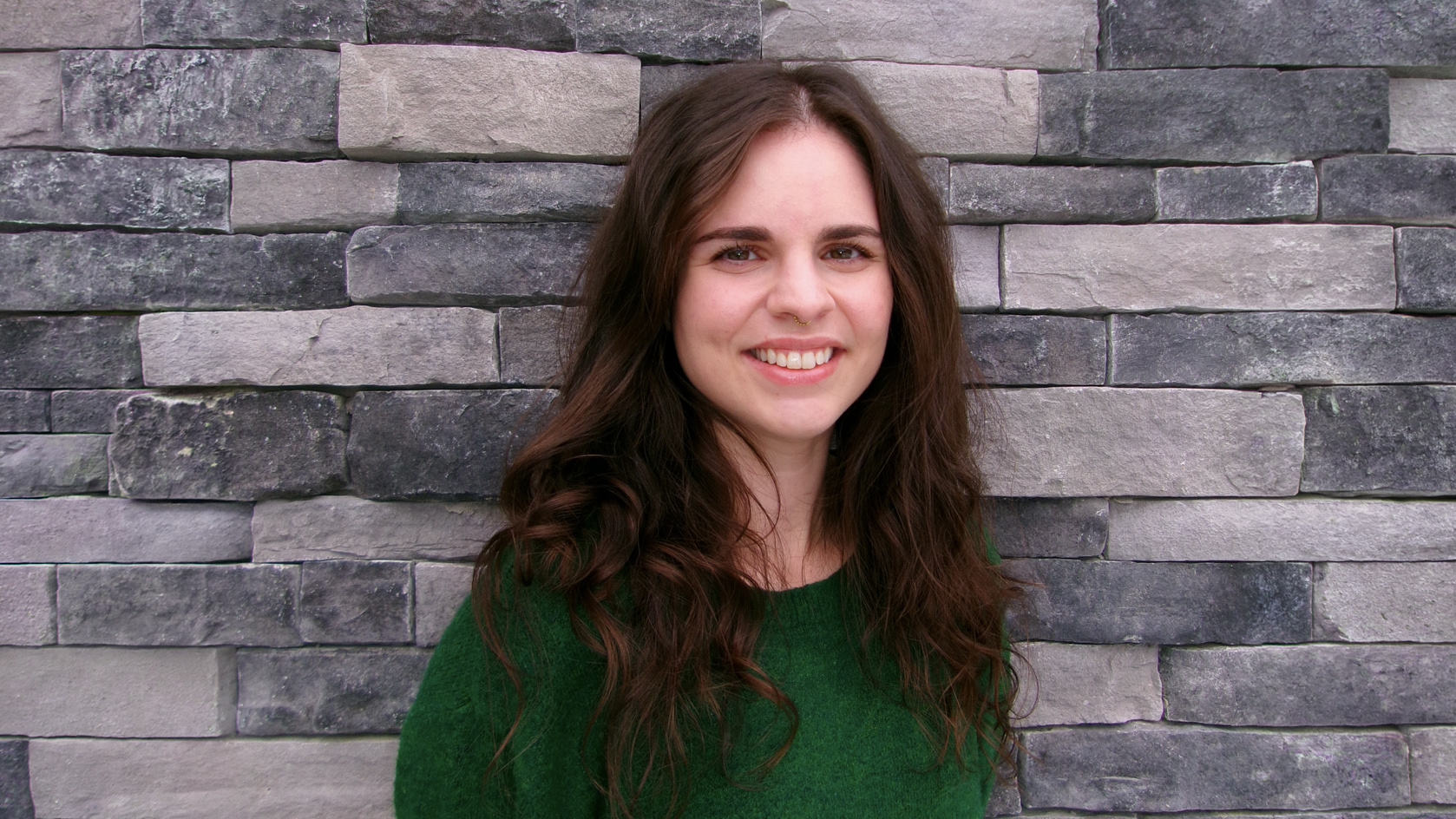
Allision Bare

Allison Bare

LSW · Licensed Social Worker

Trauma-informed, strengths-based therapist using IFS, CBT, and somatic techniques. Works with adults and youth experiencing anxiety, ADHD, and life transitions. Warm, collaborative approach.
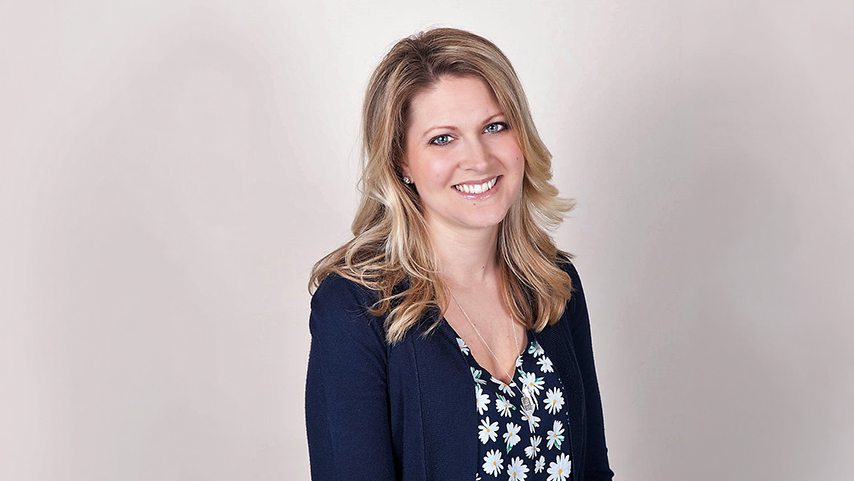
Amber Kottner

Amber Kottner

LPC · Licensed Professional Counselor

Over 10 years of experience with anxiety, depression, and family concerns. Eclectic approach with emphasis on CBT, person-centered therapy, and solution-focused goals.

COMMON QUESTIONS

Anxiety Treatment Frequently Asked Questions

Straightforward answers to what patients ask most often before their first visit.

“Yes — therapy alone is effective for most anxiety disorders. Cognitive Behavioral Therapy (CBT) has the strongest research base and produces lasting change by addressing the thought patterns and behaviors that maintain anxiety. Medication can be helpful in some cases and may be used in combination with therapy, but many clients achieve meaningful and lasting improvement through therapy alone.

Many clients with anxiety see meaningful improvement within 12 to 20 sessions, depending on the type and severity of anxiety. Our treatment is goal-focused — we track progress and adjust as needed. Many CPA Counseling clients achieve their goals within three to six months. Your therapist will build a clear plan with you from the first session so you always know where you’re headed.

CPA Counseling offers anxiety therapy at our Peters Township / McMurray office (3555 Washington Road, Suite 201) and our Robinson Township / Settlers Ridge office (5168 Campbells Run Road, Suite 204). We also serve clients in Altoona (311 E Pleasant Valley Blvd) and Philadelphia (1518 Walnut St). Virtual anxiety therapy is available to any Pennsylvania resident.

Yes — we have several therapists with specialized experience in child and adolescent anxiety. Modalities include Trauma-Focused CBT (TF-CBT), standard CBT adapted for children, and DBT skills for teens. Parent involvement is integrated when appropriate. School anxiety, social anxiety, and separation anxiety are among the most common presentations we see in younger clients.

Yes — research consistently shows that CBT and other anxiety treatments are equally effective via telehealth compared to in-person for most presentations. Virtual therapy also removes the commute barrier, which is particularly valuable for clients with social anxiety or agoraphobia. All CPA Counseling therapists offer HIPAA-compliant virtual sessions to Pennsylvania residents.

Anxiety is a normal human experience — it’s the nervous system’s alert response to perceived threat. An anxiety disorder develops when that response is disproportionate to actual risk, persists beyond a triggering situation, and begins interfering with daily functioning, relationships, or quality of life. If your anxiety feels uncontrollable or is limiting your life, therapy can help regardless of whether you have a formal diagnosis.

READY TO START?

Take the first step

No program commitment. No long-term contract. Just an evaluation, a plan, and care that fits your actual needs. New patients welcome.